Products
-
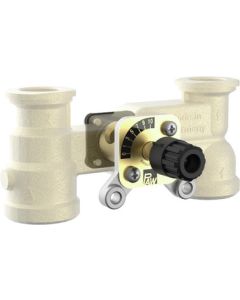 Extension set for 3-way mixing valve DN 20 / DN 25Before: mixing valve K33 (with bypass on the back), DN 20/DN 25
After: mixing valve K32 DN 20/DN 25, flow on the right + flow on the left Learn MoreValves/Fittings
Our offer is exclusively aimed at corporate clients.
-
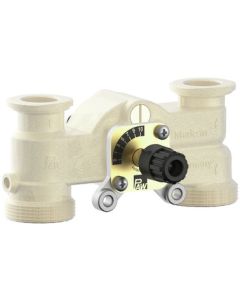 Extension set for 3-way mixing valve DN 25 / DN 32Before: mixing valve K33 (with bypass on the front), DN 25
After: mixing valve K34 - DN 25 (with bypass on the front), flow on the right + left
Learn MoreValves/Fittings
Our offer is exclusively aimed at corporate clients.
-
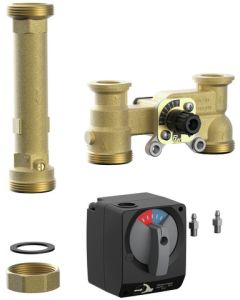 Conversion kit from K31 to K32 DN 25-401x return pipe with check valve (200 mm wc, can be opened)
1x 3-way mixing valve
1x union nut
1x gasket
1x actuator with stop bolt and rotation lock
Learn MoreValves/Fittings
Our offer is exclusively aimed at corporate clients.
-
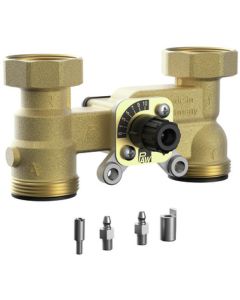 3-way mixing valve for K32 DN 20 - 323-way mixing valve for HeatBloC® K32
4x gaskets
2x union nuts
1x coupling piece for mixing valve shaft
1x rotation lock for actuator
Learn MoreValves/Fittings
Our offer is exclusively aimed at corporate clients.
-
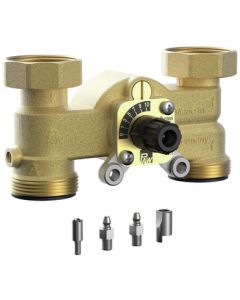 3-Wege-Bypass-Mischer für K34 DN 25 - 323-Wege-Mischer für HeatBloC® K34
4x Dichtung
2x Überwurfmutter
1x Kupplungsstück zu Mischerwelle
1x Verdrehsicherung für Stellmotor
Learn MoreValves/Fittings
Our offer is exclusively aimed at corporate clients.
-
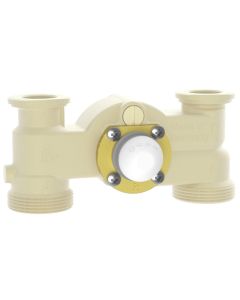 Umbausatz zum Vorlaufwechsel auf VL rechts für K33/34Vorher: K33-Mischer (mit Bypass von vorn), DN 25, VL links
Nachher: K33-Mischer (mit Bypass von vorn), DN 25, VL rechts
Learn MoreValves/Fittings
Our offer is exclusively aimed at corporate clients.
-
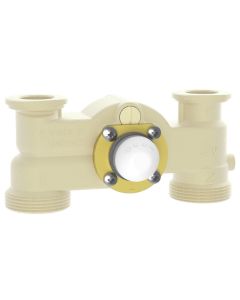 Umbausatz zum Vorlaufwechsel auf VL links für K33/34Vorher: K33-Mischer (mit Bypass von vorn), DN 25, VL rechts
K34-Mischer (mit Bypass von vorn), DN 25, VL rechts + VL links
Nachher: K33-Mischer (mit Bypass von vorn), DN 25, VL links
Learn MoreValves/Fittings
Our offer is exclusively aimed at corporate clients.
-
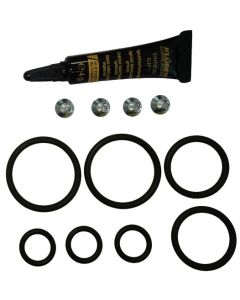
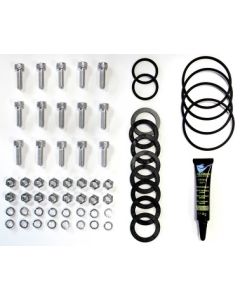 Dichtungssatz für Verteiler DN 20-50Dichtungen (EPDM)
O-Ringe (EPDM)
Zylinderschraube mit ISK
Federring
Sechskantmutter
Tube Fett für O-Ringe (Synteso Glep1)
Learn MoreValves/Fittings
Our offer is exclusively aimed at corporate clients.